In today’s interconnected world, understanding international holidays and observances is essential for businesses, educators, travelers, event planners, and global organizations. A comprehensive 2026 Holiday Calendar helps individuals and companies plan schedules, coordinate international operations, manage travel arrangements, and respect cultural traditions across different countries and regions.
From globally recognized public holidays to international awareness days and cultural celebrations, 2026 offers numerous important dates that influence commerce, education, tourism, government operations, and social activities worldwide.
This professional guide provides an overview of major international observances and key dates throughout 2026, helping you stay organized and informed throughout the year.
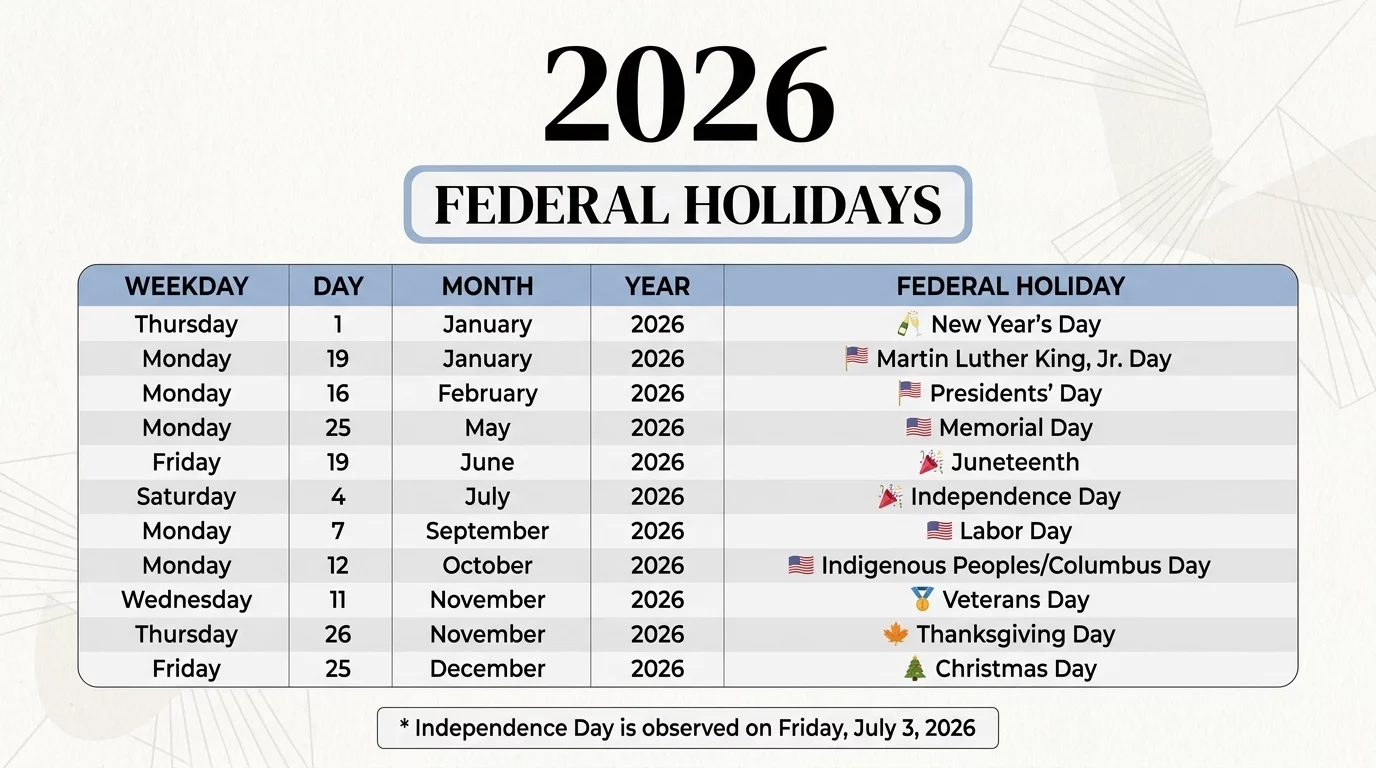
Why an International Holiday Calendar Matters
As businesses and communities become increasingly global, awareness of international holidays has become more important than ever.
Benefits of using a 2026 international holiday calendar include:
- Improved business planning
- Better project scheduling
- Enhanced cross-cultural communication
- Efficient travel arrangements
- Stronger customer engagement
- Compliance with regional observances
- Improved workforce management
Organizations operating across multiple countries often rely on global holiday calendars to avoid scheduling conflicts and ensure smooth operations.
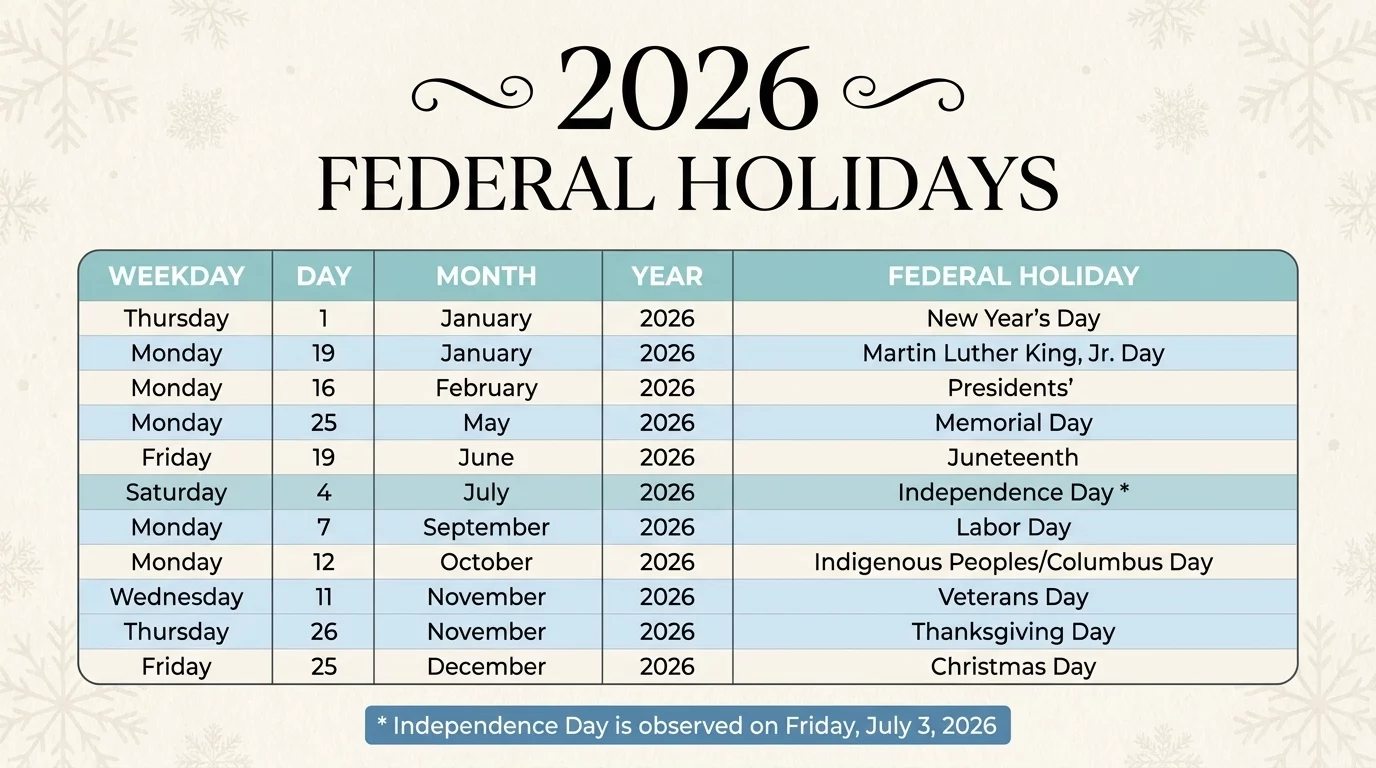
Types of Holidays Included in a 2026 Holiday Calendar
Public Holidays
Public holidays are government-recognized days when businesses, schools, and public offices may close.
Examples include:
- New Year’s Day
- National Independence Days
- Labor Day celebrations
- National commemorative events
These holidays vary significantly from country to country.
Religious Observances
Many nations observe religious holidays that influence business and social activities.
Major religious observances may include:
- Christmas
- Easter
- Ramadan-related celebrations
- Diwali
- Hanukkah
- Vesak
- Lunar New Year traditions
The dates of some religious holidays vary based on lunar or traditional calendars.
International Awareness Days
International organizations recognize specific dates to promote global causes and awareness campaigns.
Examples include:
- International Women’s Day
- World Health Day
- Earth Day
- International Day of Peace
- Human Rights Day
These observances often support education, advocacy, and community engagement initiatives.
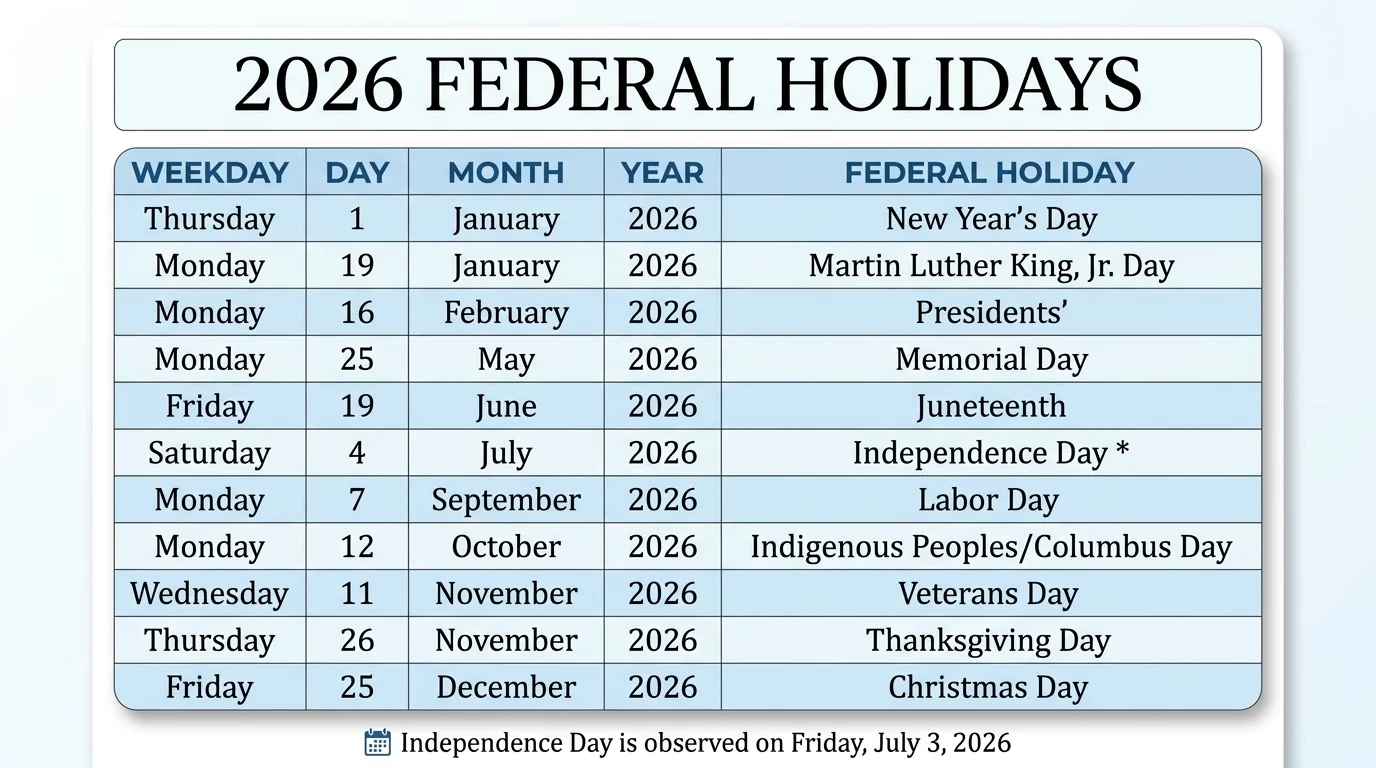
Major International Holidays and Observances in 2026
January 2026
January begins the year with several widely recognized observances.
Important dates include:
New Year’s Day – January 1
Celebrated globally as the beginning of the new calendar year.
Common activities include:
- Public celebrations
- Fireworks displays
- Family gatherings
- Goal setting and resolutions
International Education Day – January 24
Recognized by the United Nations to highlight the importance of education worldwide.
February 2026
World Cancer Day – February 4
An international observance focused on cancer awareness, prevention, and treatment.
Valentine’s Day – February 14
Widely celebrated in many countries as a day dedicated to love and relationships.
March 2026
International Women’s Day – March 8
One of the most recognized global observances promoting gender equality and women’s achievements.
World Water Day – March 22
Highlights the importance of freshwater resources and sustainable water management.
April 2026
World Health Day – April 7
Sponsored by the World Health Organization to raise awareness about global health issues.
Earth Day – April 22
Observed worldwide to promote environmental protection and sustainability.
May 2026
International Workers’ Day – May 1
Celebrated in many countries to recognize workers and labor movements.
International Day of Families – May 15
Promotes awareness of issues affecting families globally.
June 2026
World Environment Day – June 5
A major environmental awareness event encouraging sustainable practices.
International Day of Yoga – June 21
Recognized globally to promote physical and mental well-being through yoga.
July 2026
World Population Day – July 11
Focuses on population issues and sustainable development.
International Friendship Day – July 30
Celebrates friendship and international understanding.
August 2026
International Youth Day – August 12
Highlights youth development and engagement around the world.
World Humanitarian Day – August 19
Honors humanitarian workers and relief efforts globally.
September 2026
International Day of Peace – September 21
Promotes peace, conflict resolution, and global cooperation.
World Tourism Day – September 27
Recognizes the importance of tourism in economic and cultural development.
October 2026
World Teachers’ Day – October 5
Celebrates educators and their contributions to society.
United Nations Day – October 24
Commemorates the founding of the United Nations in 1945.
November 2026
World Children’s Day – November 20
Advocates for children’s rights, welfare, and education.
Thanksgiving Observances
Various countries observe Thanksgiving-related celebrations, although dates and traditions differ.
December 2026
Human Rights Day – December 10
Recognizes the adoption of the Universal Declaration of Human Rights.
Christmas Day – December 25
One of the most widely celebrated holidays worldwide.
New Year’s Eve – December 31
Marks the conclusion of the year and the beginning of preparations for 2027.
Business Planning with a 2026 Holiday Calendar
Organizations can use an international holiday calendar to improve operational planning.
Project Scheduling
Avoid major deadlines during:
- National holidays
- Religious observances
- Regional vacation periods
This reduces delays and improves collaboration.
International Communication
Understanding local holidays helps businesses:
- Schedule meetings effectively
- Improve client relationships
- Respect cultural traditions
- Increase responsiveness
Workforce Management
Holiday calendars support:
- Employee scheduling
- Vacation planning
- Shift management
- Resource allocation
Global organizations benefit from proactive planning.
Travel Planning Using a Holiday Calendar
Travelers can use a 2026 holiday calendar to:
- Avoid peak travel periods
- Book accommodations early
- Attend cultural festivals
- Plan international vacations
Awareness of local holidays can enhance travel experiences while minimizing disruptions.
Educational Uses of International Holiday Calendars
Schools and educational institutions often use holiday calendars to:
- Plan academic schedules
- Organize cultural events
- Support global learning initiatives
- Promote cultural awareness
International observances provide valuable educational opportunities throughout the year.
Printable and Digital 2026 Holiday Calendars
Modern holiday calendars are available in multiple formats.
Printable Holiday Calendars
Benefits include:
- Easy reference
- Wall display options
- Classroom use
- Office planning
Digital Holiday Calendars
Advantages include:
- Mobile accessibility
- Automatic updates
- Reminder notifications
- Calendar integration
Many professionals use both formats for maximum convenience.
Tips for Managing International Observances
To maximize the value of a holiday calendar:
- Review important dates at the start of each quarter
- Plan international meetings carefully
- Respect cultural differences
- Monitor region-specific observances
- Update schedules regularly
Proactive planning helps prevent misunderstandings and operational disruptions.
Conclusion
A 2026 Holiday Calendar featuring international observances and important dates is an essential planning resource for businesses, educators, travelers, and global professionals. Understanding major holidays, cultural celebrations, awareness campaigns, and public observances helps improve communication, scheduling, and cross-cultural engagement.
Whether you’re managing international projects, planning travel, organizing events, or simply staying informed, a comprehensive 2026 holiday calendar provides valuable insight into the dates and observances that shape our global community. By incorporating these important events into your planning process, you can navigate the year more effectively and build stronger connections across cultures and regions.


