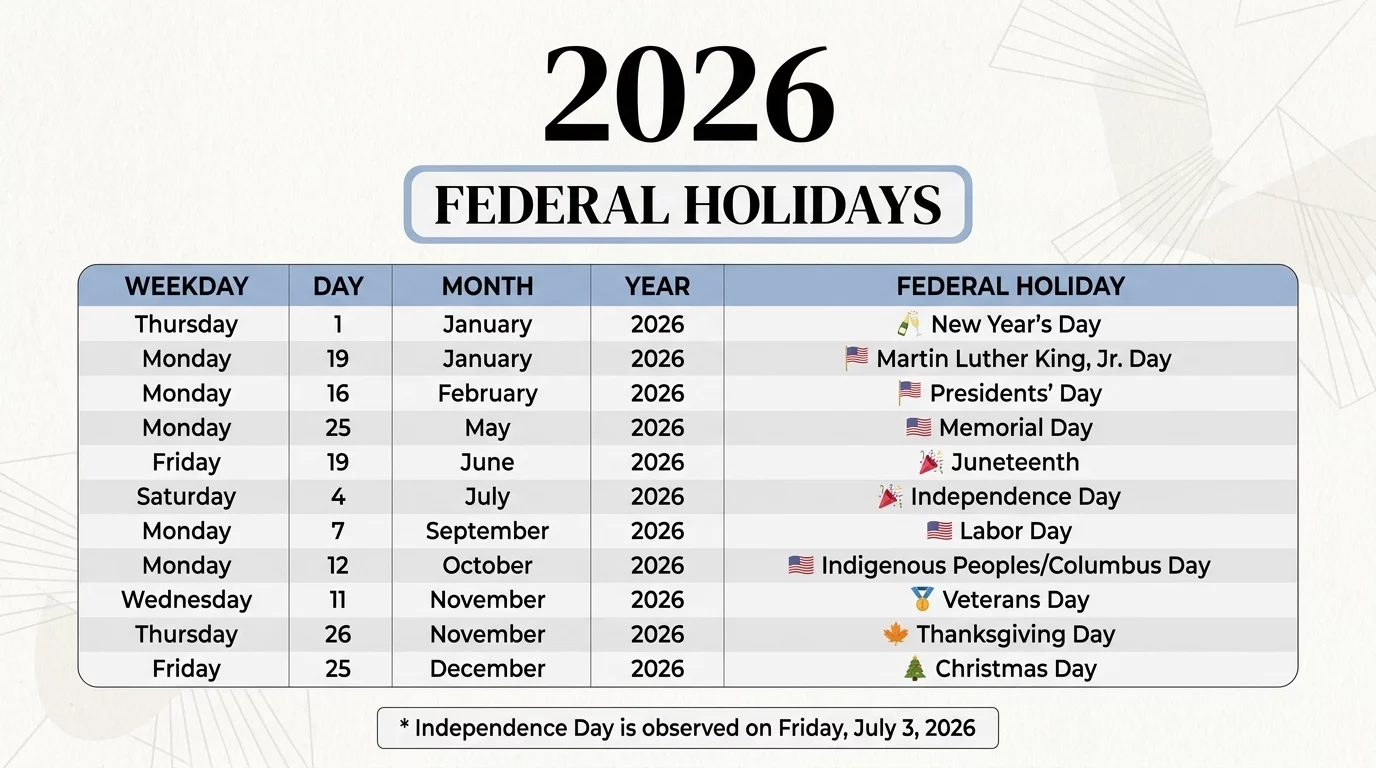
For global businesses, marketers, educators, and travelers, a comprehensive understanding of the international calendar is essential. The year 2025 is filled with fixed international observances, dynamic religious festivals, and critical days dedicated to global causes. Successfully navigating this calendar allows for strategic planning, respectful communication, and the optimization of logistics and marketing campaigns across borders. This ultimate guide provides a curated list of the most significant international holidays and dates for 2025.

Key Global Religious and Cultural Holidays (Dynamic Dates)
Unlike fixed calendar dates, many major world holidays follow lunar or traditional calendars, making their Gregorian dates shift annually. Planning around these is crucial for supply chain management, retail, and public sector operations.
| Date (Approximate) | Observance | Significance |
|---|---|---|
| January 29 | Chinese New Year (Imlek) | Also known as Lunar New Year (Tahun Baru Imlek 2576 Kongzili). A major holiday in East and Southeast Asia, impacting manufacturing and shipping timelines (Q1). |
| March 29 | Hari Suci Nyepi | The Balinese Day of Silence (Tahun Baru Saka 1947). A key cultural observance, particularly impacting travel and operations in Indonesia. |
| March 31 – April 1 | Eid al-Fitr (Idulfitri) | Marks the end of Ramadan (1446 Hijri). A massive holiday globally, significantly impacting labor and commerce across Muslim-majority nations. |
| April 20 | Easter Sunday (Paskah) | The central celebration of the Christian faith. Preceded by Good Friday (April 18) and affects work schedules in Western and Christian-majority nations. |
| May 12 | Vesak Day (Waisak) | A traditional observance of Buddhists (2569 BE). A holiday recognized globally, particularly in Asian countries. |
| June 6 | Eid al-Adha (Iduladha) | The Festival of Sacrifice (1446 Hijri). Another major global holiday affecting travel and business. |
| September 23 – 24 | Rosh Hashanah | The Jewish New Year. Marks the start of the High Holy Days, affecting Jewish communities worldwide. |
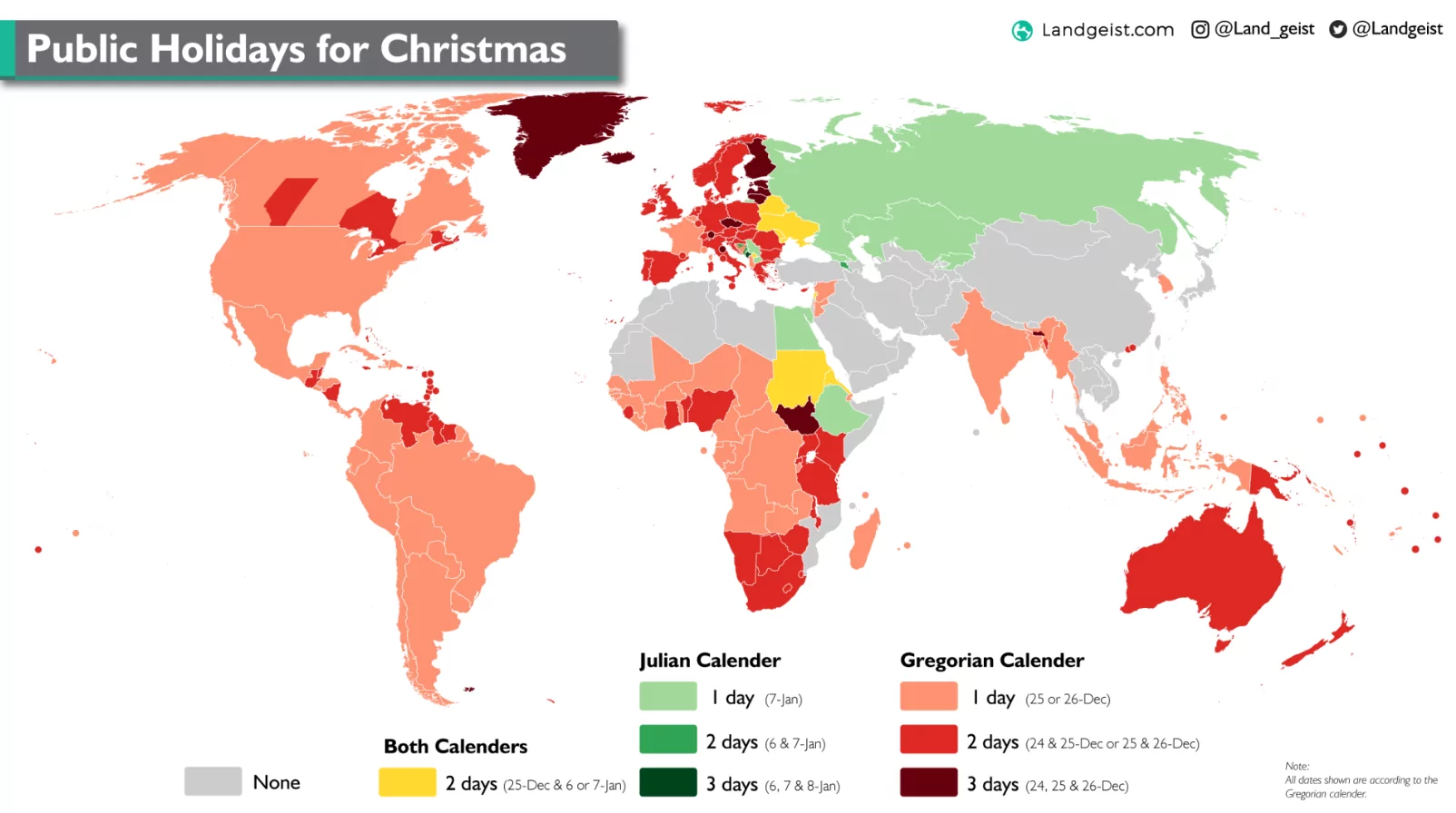
| December 25 | Christmas Day | Global celebration of the birth of Jesus Christ. The culmination of the peak retail season in many countries (Q4). |
Fixed International Observances (UN & Global Focus Days)
These dates are recognized by the United Nations and other international bodies, often requiring strategic communication or fundraising alignment for NGOs, corporations, and government agencies.
Q1: January – March
- January 1: New Year’s Day and World Peace Day.
- January 27: International Holocaust Remembrance Day.
- February 4: World Cancer Day.
- February 20: World Day of Social Justice.
- February 21: International Mother Language Day.
- March 8: International Women’s Day.
- March 20: International Day of Happiness.
- March 21: World Down Syndrome Day & International Day of Forests.
- March 22: World Water Day.
Q2: April – June
- April 7: World Health Day.
- April 22: International Mother Earth Day.
- April 23: World Book and Copyright Day.
- May 1: International Workers’ Day (May Day).
- May 3: World Press Freedom Day.
- May 8: World Red Cross and Red Crescent Day.
- June 5: World Environment Day.
- June 8: World Oceans Day.
- June 20: World Refugee Day.
Q3: July – September
- July 11: World Population Day.
- July 18: Nelson Mandela International Day.
- August 9: International Day of the World’s Indigenous People.
- August 12: International Youth Day.
- September 8: International Literacy Day.
- September 15: International Day of Democracy.
- September 21: International Day of Peace.
- September 27: World Tourism Day.
Q4: October – December
- October 1: International Day of Older Persons & International Coffee Day.
- October 5: World Teachers’ Day.
- October 10: World Mental Health Day.
- October 16: World Food Day.
- October 24: United Nations Day.
- November 14: World Diabetes Day.
- November 20: World Children’s Day.
- November 25: International Day for the Elimination of Violence against Women.
- December 1: World AIDS Day.
- December 3: International Day of Persons with Disabilities.
- December 10: Human Rights Day.
Strategic Planning Takeaways for 2025
To maximize efficiency and minimize disruption, strategic planning must account for these dates:
- Q1 Focus: Logistics and Supply Chain: The proximity of Isra Mi’raj (January 27), Chinese New Year (January 29), and the start of Ramadan (March 1) creates a highly congested period. Businesses must finalize manufacturing and shipping schedules **before mid-January** to avoid major delays.
- Q2 Focus: Travel and Labor: April and May are highly concentrated with religious and international holidays (Eid al-Fitr, Easter, Workers’ Day, Vesak). Travel agencies and HR departments should anticipate extended holiday periods, especially when cuti bersama (joint leave days) are combined with weekends.
- Q4 Focus: Retail and Campaigns: The period from October (Mental Health Day) through December (Christmas, AIDS Day, Human Rights Day) offers major opportunities for **cause-related marketing** and peak retail sales. Planning must begin in Q3 to capitalize on these spikes.
Conclusion: Calendar Mastery for Global Success
The 2025 calendar is a powerful tool. It goes beyond mere scheduling; it provides a roadmap for **cultural sensitivity**, **logistical precision**, and **strategic marketing**. By using this ultimate guide to international observances and dates, planners can anticipate shifts in consumer behavior, manage global workforce availability, and ensure their organizations operate efficiently and respectfully on the world stage throughout the year.