School calendars structure academic years, organizing instruction time, breaks, holidays, and assessment periods for students, educators, and families. The Complete Guide to 2025 School Calendar and Academic Year provides comprehensive information about academic calendars across different educational levels, planning strategies, and preparation guidance for families and institutions. Understanding school calendar structures, key dates, and planning opportunities enables effective organization and maximizes academic success throughout 2025-2026.
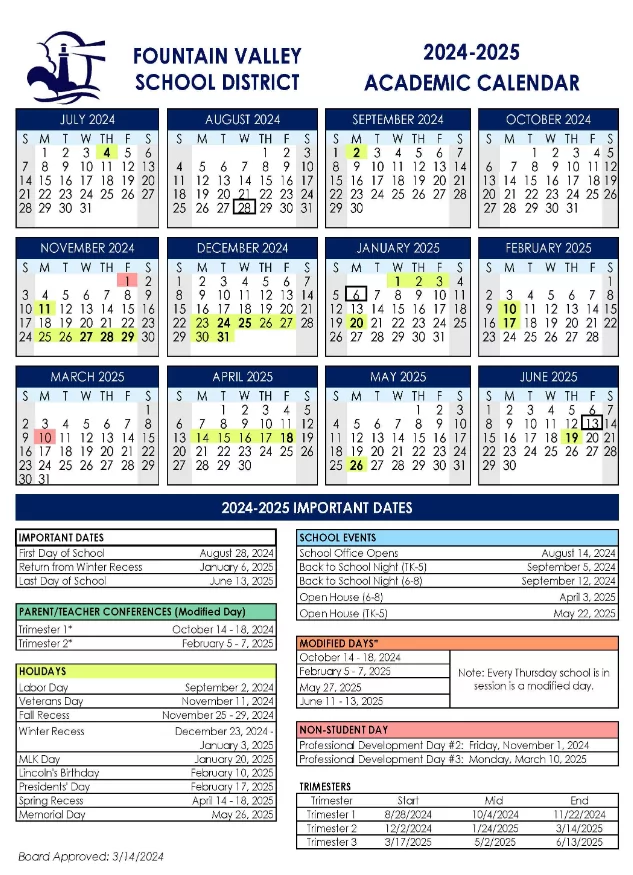
Understanding School Calendar Basics
School calendars vary significantly by region, state, country, and institution type. While most follow similar patterns with start dates in late summer/early fall and end dates in late spring, specific calendars depend on geographic location, school district policies, and educational institution decisions. Understanding your specific school calendar is essential for planning family activities, coordinating work schedules, and supporting academic success.

Typical US School Calendar Structure 2025-2026
Standard Academic Year Timeline
| Period | Typical Dates | Duration | Key Activities |
|---|---|---|---|
| Summer Break | June-August 2025 | 8-10 weeks | Vacation, summer programs, preparation |
| Fall Semester Begins | Late August-Early September 2025 | Variable | School year start, new classes, grade levels |
| First Quarter/Term | September-October 2025 | 8-9 weeks | Early instruction, academic baseline |
| Fall Break | October 2025 (varies) | 1-2 weeks | Family time, catch-up on work |
| Second Quarter/Term | October-December 2025 | 8-9 weeks | Mid-year progress, winter holidays approach |
| Winter Break/Holiday | December 2025-January 2026 | 2-3 weeks | Holidays, family time, rest |
| Spring Semester Begins | January 2026 | Variable | Second semester start, mid-year progress reports |
| Third Quarter/Term | January-March 2026 | 8-9 weeks | Spring semester instruction, spring break prep |
| Spring Break | March-April 2026 (varies) | 1-2 weeks | Family vacation, holiday celebrations |
| Fourth Quarter/Term | April-May 2026 | 8-9 weeks | Final instruction, standardized testing |
| Testing/Assessment Period | April-May 2026 | 2-4 weeks | Standardized tests, final exams, evaluations |
| School Year Ends | Late May-Early June 2026 | Variable | Final grades, graduation, summer preparation |
Key Dates for 2025-2026 Academic Year
Fall 2025 Key Dates
- Labor Day (September 1, 2025): No school for most districts in US
- School Year Start: Typically late August or early September (varies by district)
- Fall Break: October 2025 (dates vary; often surrounding Columbus Day)
- Halloween (October 31, 2025): School activities and celebrations
- Thanksgiving (November 27, 2025): Thanksgiving break (typically full week)
- Winter Holiday Break: Mid-December 2025 through early January 2026
Spring 2026 Key Dates
- Spring Semester Start: Early January 2026 (typically after January 1)
- MLK Day (January 19, 2026): No school in most districts
- Presidents’ Day (February 16, 2026): No school for most districts
- Spring Break: March or April 2026 (varies by district; typically 1-2 weeks)
- Memorial Day (May 25, 2026): No school; often marks final week of school year
- Last Day of School: Late May or early June 2026 (varies)
Different School Calendar Options
Traditional Calendar (9-Month Year-Round)
Most Common: 180-190 instructional days across nine months
- September-May with summer break
- Long summer vacation (8-10 weeks)
- Standard holiday breaks (winter, spring)
- May-August completely off
Year-Round Calendar
Alternative Option: Instruction spread throughout all 12 months with multiple shorter breaks
- Similar total instructional days (usually 180)
- Multiple intersession breaks (2-3 weeks) throughout year
- Shorter summer vacation (4-6 weeks)
- More frequent breaks preventing learning loss
- Reduces summer “summer slide” academic decline
Block Schedule Calendar
Specific Structure: Four extended terms with intersessions
- Fewer classes per day (deeper learning)
- Intensive courses over shorter periods
- Different scheduling patterns than traditional
- More frequent assessment opportunities
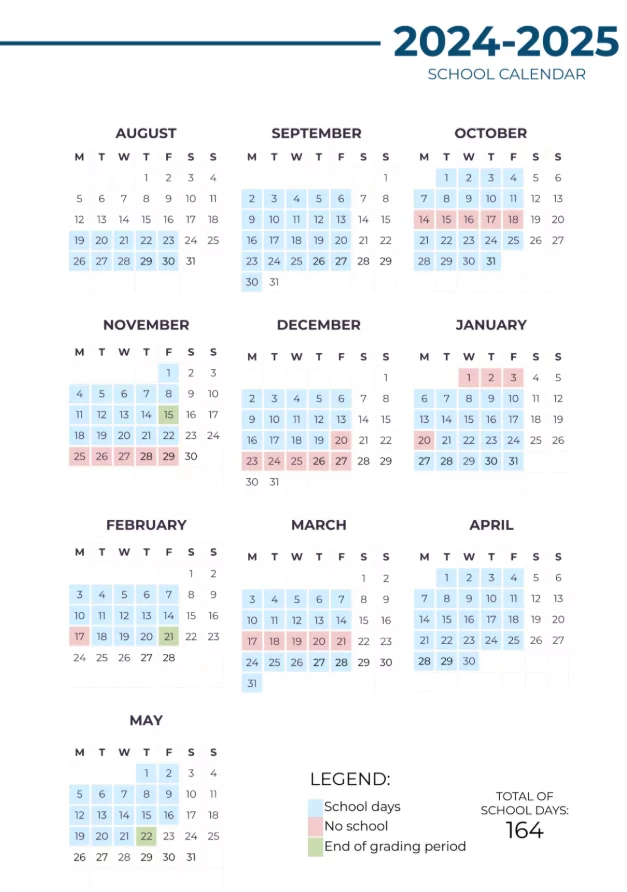
Calendar Variations by Educational Level
Elementary School (K-5)
| Element | Details |
|---|---|
| School Hours | Typically 8:00am-3:00pm or 8:30am-3:30pm |
| School Days | Usually 5 days/week; sometimes 4-day weeks |
| Breaks | Longer winter/spring breaks; full summer break |
| Special Dates | Field trip days, holiday celebrations, special events |
| Holidays Observed | Major US holidays plus federal observances |
Middle School (6-8)
| Element | Details |
|---|---|
| School Hours | Typically 7:30am-2:30pm or 8:00am-3:00pm |
| School Days | Usually 5 days/week; block or traditional schedule |
| Breaks | Standard holiday breaks; potential spring/fall breaks |
| Special Dates | Standardized testing, conferences, school events |
| Extracurriculars | Sports, clubs, after-school activities with late dismissals |
High School (9-12)
| Element | Details |
|---|---|
| School Hours | Typically 7:15am-2:30pm or 7:45am-3:15pm |
| School Days | Usually 5 days/week; block or traditional schedule |
| Breaks | Standard holiday breaks; semester breaks |
| Special Dates | AP/SAT testing, AP exams (May), graduation, finals |
| Extracurriculars | Extensive sports/clubs; significant time commitments |
College/University Calendar
| Element | Details |
|---|---|
| Semester Structure | Typically 2 semesters (fall/spring) + summer session |
| Fall Semester | August/September – December; includes final exams |
| Spring Semester | January – May; includes final exams |
| Summer Session | May-August; accelerated courses, catch-up |
| Breaks | Winter break (4-5 weeks); spring break (1 week) |
Planning for 2025-2026 School Year
Summer Preparation (June-July 2025)
- Obtain official school calendar from district or school
- Mark all key dates in family/personal calendar
- Note teacher assignment dates and registration
- Plan summer activities around school calendar
- Arrange childcare or work schedule modifications for breaks
- Budget for school supplies and fees
Before School Year Starts (August 2025)
- Purchase necessary supplies and uniforms
- Establish morning/bedtime routines
- Arrange transportation (bus pass, carpool, drop-off)
- Set up homework space at home
- Review school expectations and policies
- Attend school orientation events
Throughout Academic Year
- Monitor calendar for upcoming breaks and holidays
- Plan family vacation around spring break
- Track testing dates and prepare accordingly
- Attend parent-teacher conferences
- Stay aware of special school events and activities
- Adjust family schedule as needed for school activities
Special Calendar Considerations
Virtual/Hybrid Learning Options
Many schools offer hybrid or fully remote options with adjusted calendars:
- Virtual days may not follow traditional school hours
- Flexibility in daily schedule
- Potential for asynchronous (self-paced) coursework
- Reduced commute time and scheduling flexibility
Dual Calendar Situations
Families with multiple children may manage different calendars:
- Different start/end dates across schools
- Different break schedules
- Staggered dismissal times
- Requires careful coordination and planning
Standardized Testing Dates
| Test | Typical Dates | Grades |
|---|---|---|
| State Standardized Tests | April-May (varies) | Elementary-High School |
| SAT | March, May, June 2026 | High School (grades 10-12) |
| ACT | February, April, June 2026 | High School (grades 10-12) |
| AP Exams | May 2026 | High School AP students |
Regional Calendar Variations (US)
Southern States
- Earlier start dates (late July or early August)
- Longer summer breaks to avoid heat
- More flexibility in winter break timing
Northern States
- Later start dates (early September)
- Winter break often longer (accommodates holidays)
- Standard holiday observances
Urban vs. Rural Districts
- Urban: Consistent calendars, more standardized
- Rural: May include agricultural considerations (harvest times)
- Funding differences may affect school year length
International School Calendars
British System
- Three terms per academic year (Autumn, Spring, Summer)
- Half-terms (week breaks) within each term
- Long summer break (5-6 weeks)
Australian System
- Four terms per year
- Shorter breaks between terms
- Academic year aligns with calendar year (January-December)
European Calendars
- Vary significantly by country
- Often include summer holidays (6-8 weeks)
- Winter and spring breaks vary
Tools for Tracking School Calendars
- Google Calendar: Add school calendar; subscribe to shared district calendars
- Apple Calendar: Subscribe to school calendar feeds
- Outlook Calendar: Integration with school systems
- School Apps: Many districts offer dedicated apps with calendar integration
- Printed Wall Calendar: Physical reference with important dates marked
- Family Planner: Shared family calendar highlighting school events
Common Questions About School Calendars
How Many Days of School?
Most US schools require 180 instructional days annually (may vary by state). Some states require up to 190 days. This differs from calendar days, as weekends and holidays don’t count.
Can Parents Request Calendar Changes?
Generally, no. School calendars are set by district administrators and state requirements. However, parents can request excused absences for specific religious observances or family events.
What About Teacher Planning Days?
Most calendars include 8-10 teacher planning days (PD days) when students don’t attend but teachers work on curriculum and professional development.
Are School Closures Weather-Related?
Yes, snow days or weather-related closures may occur. These days may be made up during spring break or added to school year end.
Preparation Checklist for 2025-2026
- ☐ Obtain official school calendar from district website
- ☐ Add all key dates to family calendar
- ☐ Note vacation weeks and plan family activities
- ☐ Arrange childcare for breaks and after-school times
- ☐ Purchase school supplies aligned with calendar start date
- ☐ Establish bedtime and morning routine before school year
- ☐ Attend school orientation and registration events
- ☐ Set up homework space and organizational systems
- ☐ Share calendar with family members and caregivers
- ☐ Plan ahead for testing dates and exam periods
Conclusion
The 2025-2026 school calendar structures the academic year providing essential framework for student learning, family planning, and organizational coordination. Understanding calendar variations across educational levels, regions, and school types enables effective preparation and scheduling. By obtaining official school calendars early, marking key dates prominently, and planning family activities and work schedules around academic breaks, families maximize support for student success while maintaining work-life balance. Whether navigating traditional or alternative calendar structures, year-round education, or hybrid learning formats, careful attention to school calendar details ensures smooth, organized academic years supporting student achievement and family well-being throughout 2025-2026.


