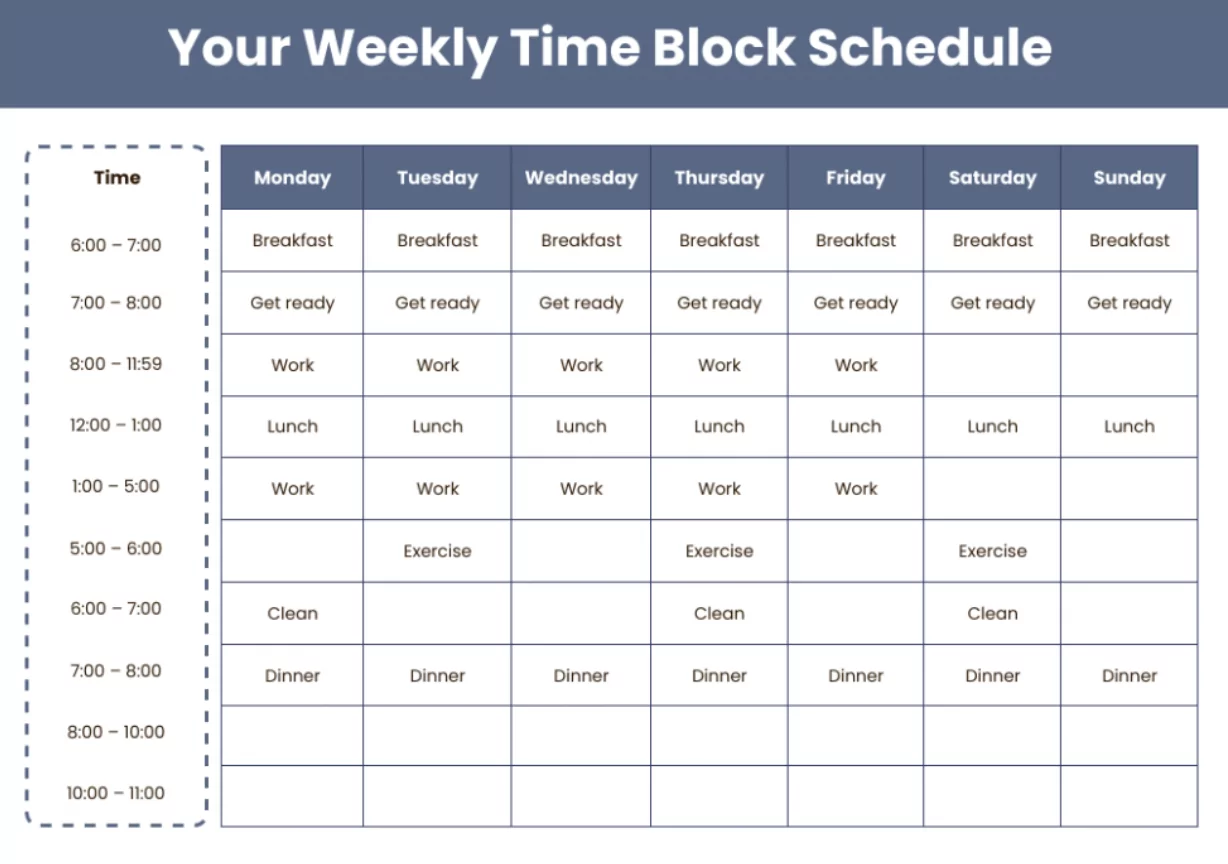
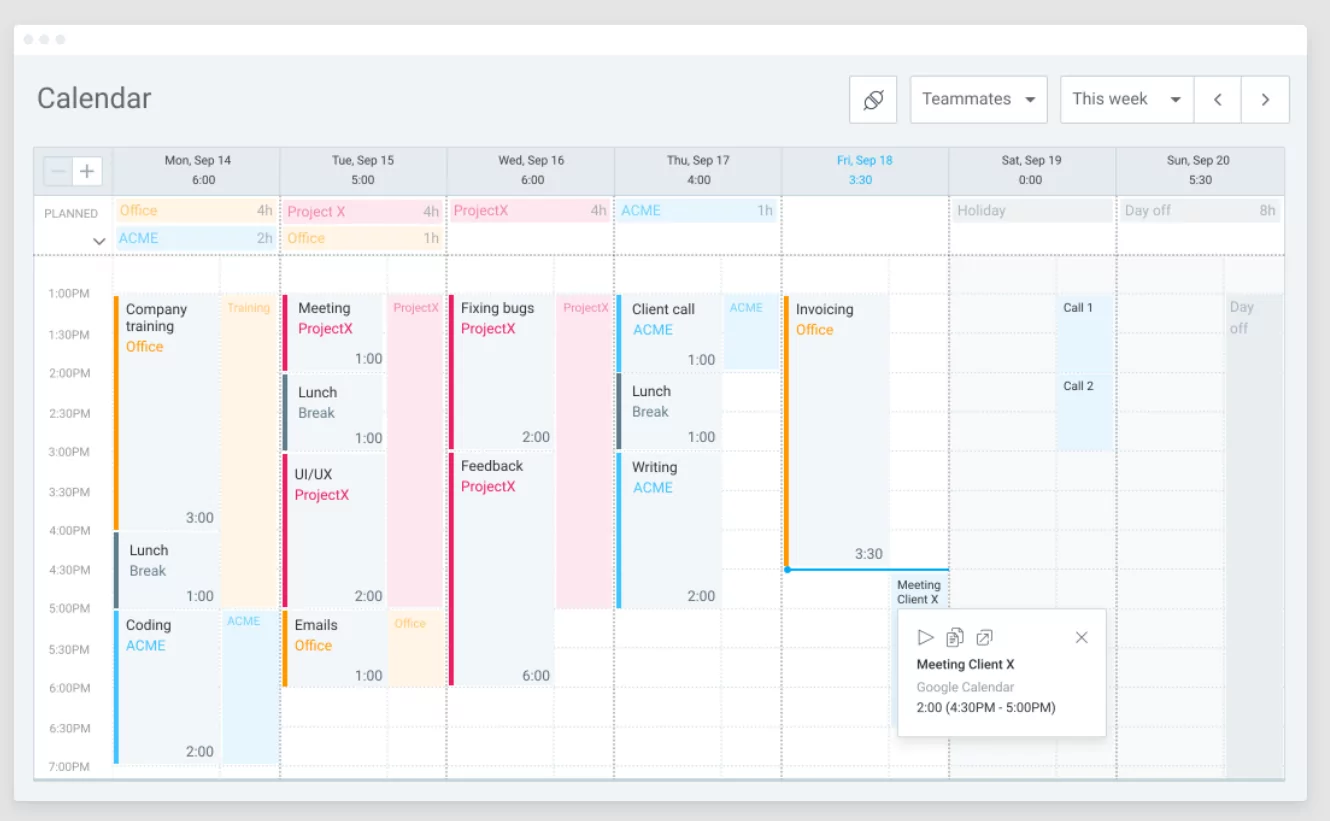
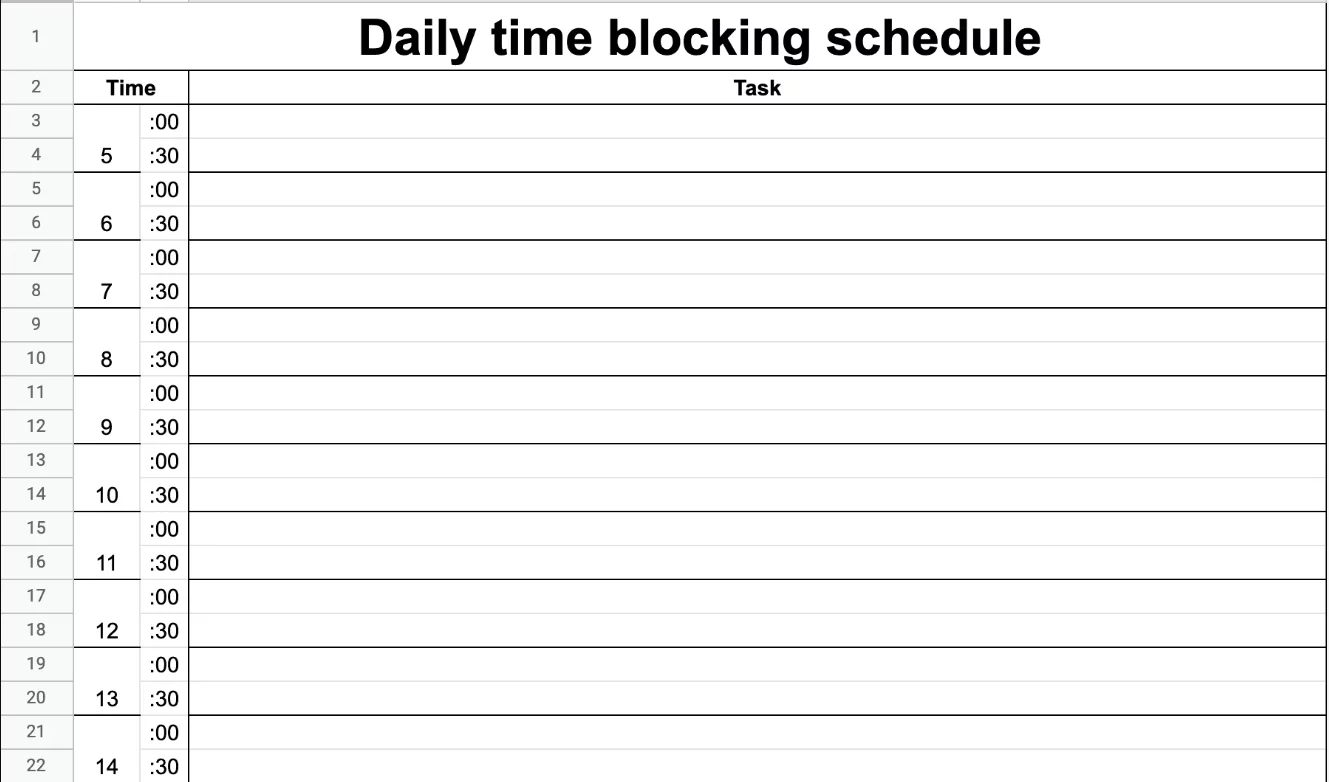
Time blocking is a powerful productivity method that involves dedicating specific blocks of time in your calendar to particular tasks or activities. Instead of working from a reactive to-do list, you proactively assign every minute of your day a purpose. This helps you focus, minimize distractions, and ensure you make progress on your most important goals.
How to Implement Time Blocking in Your Daily Calendar
Follow these steps to effectively integrate time blocking into your routine:
1. Identify and Prioritize Your Tasks
Start by listing everything you need to accomplish for the week. This includes work assignments, personal errands, appointments, and even leisure activities. Once you have a comprehensive list, prioritize your tasks by importance and urgency. A useful framework for this is the Eisenhower Matrix, which helps you decide what to do now, what to schedule for later, what to delegate, and what to delete.
2. Choose Your Time Blocking Method
There are several popular techniques for time blocking, and you can combine them to fit your workflow:
- Task Batching: Group similar small tasks together into a single time block. For instance, dedicate a one-hour block to answer all your emails and messages at once. This reduces context switching and improves efficiency.
- Day Theming: Assign a specific theme or focus area to each day of the week. For example, Mondays could be for administrative tasks and planning, Tuesdays for deep work on a major project, and Thursdays for meetings.
- Timeboxing: Set a fixed time limit for a specific activity and work on it without interruption until the time is up. This is especially effective for large or complex tasks that you might otherwise procrastinate on.
3. Schedule Your Blocks in a Digital Calendar
Use your preferred digital calendar (like Google Calendar, Outlook Calendar, or Akiflow) to start plotting your time blocks. Here’s how:
- Be Realistic: Don’t overschedule your day. Leave buffer time between blocks for unexpected interruptions or tasks that take longer than planned. A good rule of thumb is to schedule only about 80% of your day.
- Color-Code Your Blocks: Assign different colors to different types of activities (e.g., blue for deep work, green for meetings, red for personal time). This provides a quick visual overview of your day and helps you maintain a healthy work-life balance.
- Start with High-Priority Tasks: Schedule your most important and mentally demanding tasks during your peak productivity hours (for many people, this is in the morning).
- Don’t Forget Breaks: Actively schedule breaks, lunch, and time for relaxation. Blocking out downtime is just as important as blocking out work, as it prevents burnout and keeps you energized.
4. Review and Adapt
Time blocking is not a “set it and forget it” system. At the end of each day or week, take a few minutes to review your schedule. Ask yourself what worked and what didn’t. Did you accurately estimate how long tasks would take? Were you frequently interrupted? Use these insights to refine your schedule for the next day or week. The goal is to create a flexible system that adapts to your needs and helps you stay in control of your time.