In the fast-paced modern world, feeling overwhelmed is often the default state. The key to mitigating this stress and maximizing output lies not in working harder, but in planning smarter. Weekly calendar planning is the foundational practice that transforms a chaotic list of tasks into a structured, executable roadmap for success. By allocating time intentionally and defining priorities, you gain control over your schedule, ensuring that your energy is directed toward high-leverage activities. This ultimate guide breaks down the essential tips and strategies for effective weekly planning that drives maximum productivity.
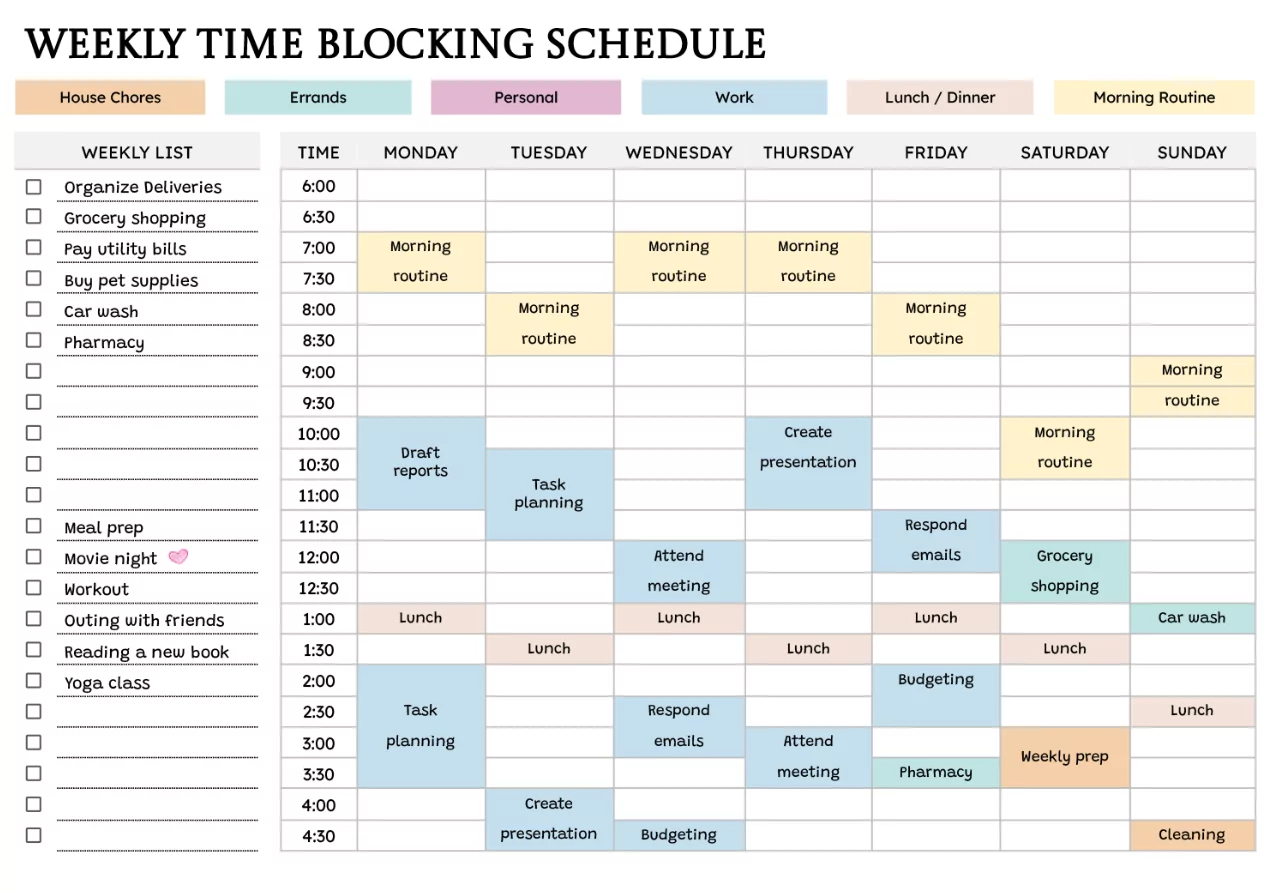
Phase 1: The Weekly Review and Preparation (Sunday/Monday Morning)
The most crucial part of weekly planning happens before the work even starts. Dedicate 30–60 minutes to this review phase, ideally late Sunday or early Monday morning.
1. Clear the Decks: The Brain Dump
Start by getting everything out of your head. Write down every single task, idea, appointment, and obligation you can think of. This list is your raw material. Don’t filter or judge; just capture. This “brain dump” prevents mental clutter from interfering with focused planning.
2. Review the Last Week and Identify Wins
Look back at the previous week’s calendar and task list. What did you accomplish? What was left undone? Understanding what slowed you down or where you wasted time is critical for preventing the same mistakes this week. Celebrate the wins to build momentum and psychological motivation.
3. Define the Three High-Impact Priorities (MITs)
For the upcoming week, identify the three most important tasks (MITs) that, if completed, would make the entire week a success. These should be tasks that move you toward your long-term goals. They must be non-negotiable and placed first on the schedule.
Phase 2: Strategic Time Allocation (Time Blocking)
Once you know your priorities, the next step is assigning them specific time slots in your calendar. This practice is known as Time Blocking.
4. Schedule Your MITs First (The Anchor Tasks)
Immediately block out time for your 3 MITs. Treat these time blocks as if they were mandatory appointments with a client or doctor. If possible, schedule these for your peak productivity hours—the time of day when your focus and energy are highest.
“If it isn’t scheduled, it won’t get done. Your calendar should reflect your priorities, not just your appointments.”
5. Practice Task Batching
Avoid the cognitive switching costs of jumping between different types of work. Use Task Batching by grouping similar activities and blocking time for them:
- Communication Blocks: Dedicate 1–2 hours daily for all email, messaging, and non-urgent calls. Close your inbox outside of these blocks.
- Deep Work Blocks: Schedule uninterrupted time (e.g., 90 minutes) for creative or complex tasks requiring high concentration. Turn off all notifications.
- Meeting Blocks: Try to cluster all meetings on a single day (e.g., Tuesday or Thursday) to protect other days for deep work.
6. Incorporate Buffer Time and Recovery
A common mistake is planning back-to-back tasks with no breathing room. Always add a 5–10 minute buffer between appointments and tasks. More importantly, schedule Recovery Blocks:
- Lunch: A non-negotiable 30–60 minute block.
- Transitions: Time to travel, shift mental focus, or quickly tidy your workspace.
- Shutdown Routine: Block the last 15 minutes of your workday for planning the next day and logging off cleanly.
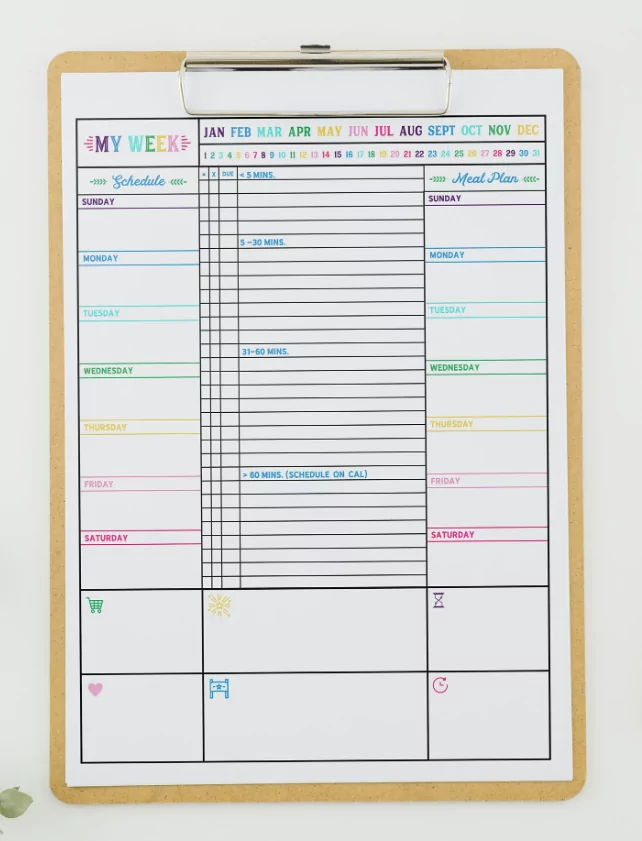
Phase 3: Execution and Mid-Week Adjustment
The plan is just the starting point; the real productivity comes from disciplined execution and flexibility.
7. Color-Coding for Clarity
Use color-coding in your digital calendar (e.g., Google Calendar, Outlook) for an immediate visual representation of your week. This helps you see where your time is actually going at a glance.
- Green: MITs/Deep Work/High Priority
- Blue: Meetings/Appointments
- Yellow: Administration/Communication (Low Priority)
- Red: Personal/Health (Non-negotiable)
8. The Daily 5-Minute Huddle
Every evening, dedicate just 5 minutes to review your calendar for the next day. Re-confirm appointments, adjust time blocks if necessary, and define the single most important task for the following morning. This simple routine ensures you start each day with clarity and purpose.
9. Schedule the “Slop” Time (The Flexibility Buffer)
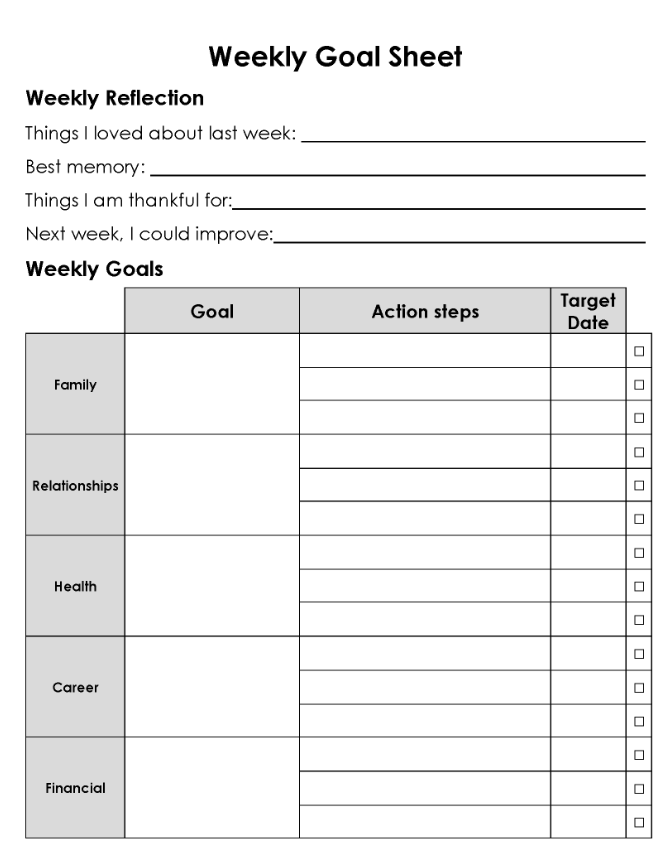
Inevitably, unexpected tasks and urgent requests will arise. Instead of letting them derail your deep work, plan for them. Block out 1–2 hours mid-week (e.g., Friday afternoon) as “Slop” or “Catch-Up” Time. This is the designated slot for handling emergencies, overdue tasks, or simply getting ahead for the following week. Knowing this time is scheduled reduces the anxiety of unexpected interruptions.
Conclusion: Mastering the Week, Mastering Productivity
Weekly calendar planning is not a restrictive process; it is an act of liberation. By committing to a weekly review, prioritizing aggressively, and implementing structured time blocks, you move from a reactive to a proactive state. This methodology ensures that your energy is focused, your boundaries are respected, and your most important goals are addressed consistently. Start small—dedicate 30 minutes this week—and watch how this simple discipline transforms your productivity and reduces your weekly stress levels.


