A 2026 school calendar is more than a list of dates—it’s a planning system for students, parents, and educators. This complete resource explains how the academic year is typically structured, what key dates to track, and how to build a clear calendar you can actually use.

What a 2026 School Calendar Includes
Most school calendars follow a predictable pattern, but exact dates vary by country, state/province, district, and school type. Use this guide to understand the categories you should look for (or create) when planning your 2026 academic year.
- First and last day of school: The official start and end of the academic year.
- Term/semester dates: The teaching blocks (often 2 semesters or 3 terms).
- School breaks: Mid-year breaks, seasonal holidays, and short inter-term breaks.
- Teacher workdays / in-service days: Days students may be off while staff works.
- Exam windows: Midterms, finals, standardized tests, and make-up exams.
- Important events: Parent-teacher conferences, registration, orientations, graduation.
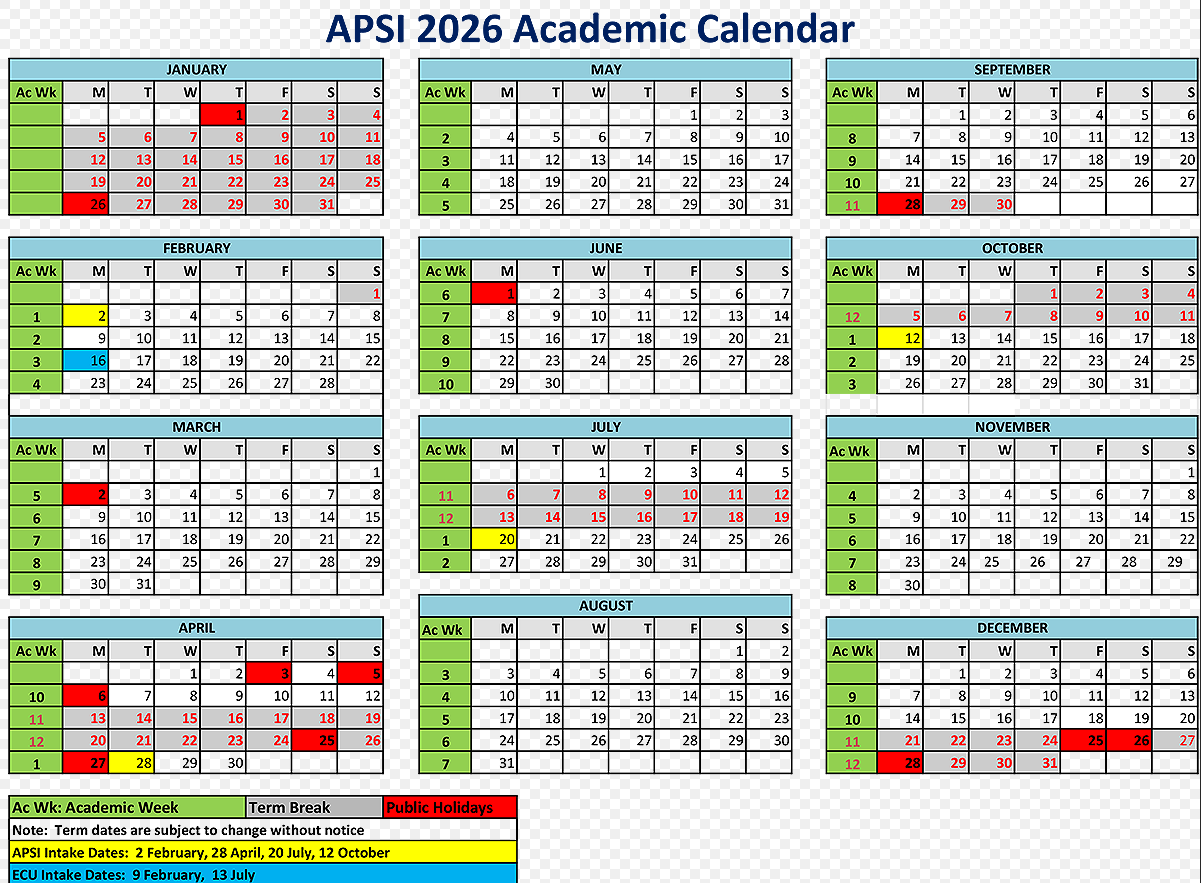
Common Academic Year Structures
Knowing your school’s structure helps you forecast workload, revision time, and travel windows. Below are the most common formats you’ll see for an academic year calendar in 2026.
Semester System (2 main blocks)
- Semester 1: Typically begins early in the academic year and ends around mid-year.
- Semester 2: Runs from mid-year to the end of the academic year.
- Best for: Clear mid-year reset, fewer transitions between grading periods.
Trimester/Term System (3 blocks)
- Term 1, Term 2, Term 3: Shorter teaching cycles with more frequent reporting.
- Best for: Regular assessment cadence and more checkpoints for progress.
Quarter System (4 blocks)
- Four grading periods with frequent evaluations and schedule changes.
- Best for: Modular learning, frequent feedback, and flexible course pacing.
Key Dates Checklist for the 2026 Academic Year
If you’re building a calendar (or transferring dates from an official school release), this checklist ensures you don’t miss planning-critical items.
- Academic year start/end: First day, last day, and any early-release patterns.
- Breaks and holidays: Major holidays, mid-year break, and long weekends.
- Assessment periods: Midterm week, finals week, standardized testing window.
- Grading/reporting: Report card dates, progress reports, grade submission deadlines.
- Enrollment logistics: Registration, add/drop, timetable release, fee deadlines.
- Family-school touchpoints: Conferences, open house, school performances.
- Activities: Sports seasons, clubs, competitions, field trips (if announced).
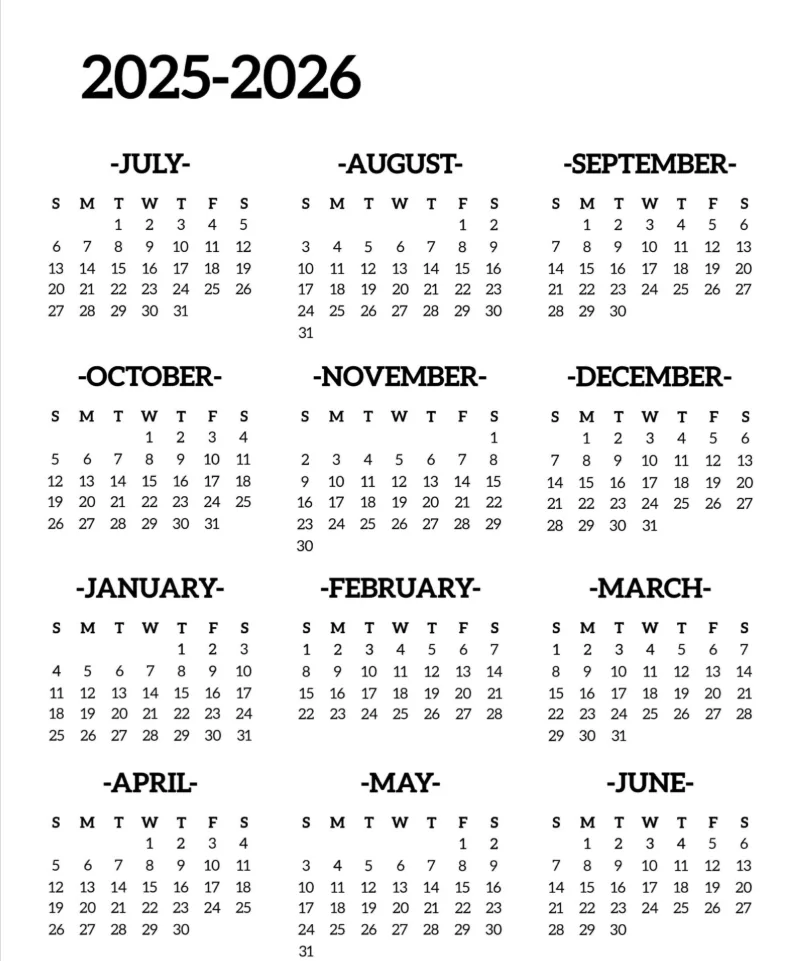
Printable Template (Fill in Your School’s Dates)
Copy this simple structure into your notes app, spreadsheet, or printable planner. Fill it with your school’s official dates for 2026.
| Category | Start Date | End Date | Notes |
|---|---|---|---|
| Academic Year | ____/____/2026 | ____/____/2026 | Include early-release days if any |
| Term/Semester 1 | ____/____/2026 | ____/____/2026 | Key projects and midterms |
| Mid-Year Break | ____/____/2026 | ____/____/2026 | Travel window / rest week |
| Term/Semester 2 | ____/____/2026 | ____/____/2026 | Final assessments and deadlines |
| Exam Window | ____/____/2026 | ____/____/2026 | Include make-up dates |
| Teacher Workdays | ____/____/2026 | ____/____/2026 | Students may be off |
How to Use the 2026 School Calendar (Practical Tips)
The biggest difference between a calendar that “looks nice” and one that reduces stress is how you use it week to week. These quick habits help keep the academic year manageable.
- Color-code by purpose: One color for classes/exams, one for family plans, one for activities.
- Plan backward from exams: Add revision milestones 2–6 weeks before major tests.
- Block buffer time: Keep 1–2 “catch-up” slots weekly for unexpected assignments.
- Mark high-pressure weeks: Project deadlines + exams in the same week need early planning.
- Set monthly check-ins: Review grades, attendance, and upcoming commitments once a month.
FAQ: 2026 School Calendar and Academic Year
Are 2026 school calendars the same everywhere?
No. School calendars vary by region, school system, and even individual districts, so always confirm the official dates from your school or education authority.
What should I prioritize if I can only track a few dates?
Track term/semester start and end, major breaks, exam windows, and any student-free days that affect childcare or commuting.
How do I avoid overbooking during the academic year?
Keep weekends near exam windows lighter, avoid major trips during assessment periods, and schedule recurring commitments on the same day each week.
What if my school changes dates mid-year?
Leave a small notes area in your calendar and review announcements monthly so you can adjust quickly without rewriting everything.


