Minimalist calendar design continues to dominate in 2026 as users seek clarity, functionality, and visual calm in their daily planning tools. With increasing screen time and busy schedules, clean and distraction-free calendar designs help improve focus and productivity.
This article explores the key minimalist calendar design trends for 2026 and provides expert tips on how to choose or create calendars that balance aesthetics and usability.
Why Minimalist Calendar Design Matters in 2026
Minimalism is more than a visual trend—it is a response to information overload. In calendar design, minimalism emphasizes clarity, hierarchy, and purposeful use of space.
Benefits of minimalist calendar design include:
- Improved readability and usability
- Reduced visual clutter
- Better focus on priorities and deadlines
- Timeless aesthetics that suit any workspace

Key Minimalist Calendar Design Trends for 2026
Clean Typography with Strong Hierarchy
Typography-driven layouts dominate minimalist calendar designs in 2026. Designers favor modern sans-serif fonts with clear weight variations to distinguish dates, weekdays, and notes.
Neutral and Soft Color Palettes
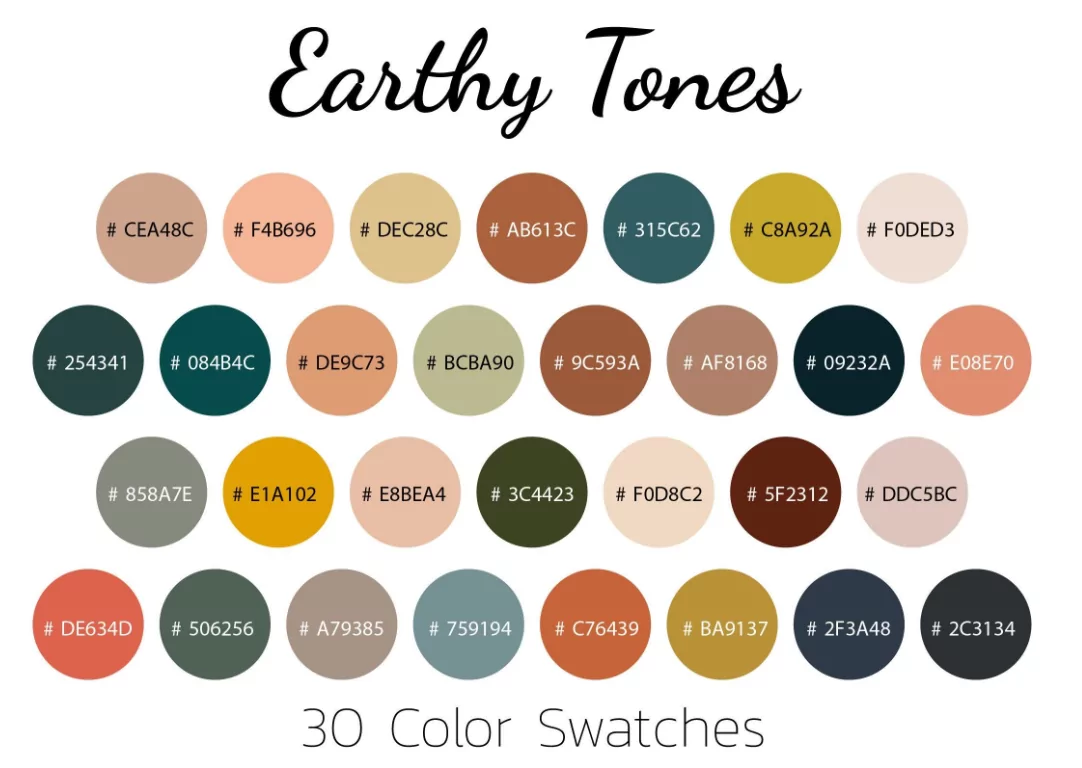
Muted tones such as beige, off-white, light gray, and soft pastels replace bold colors. These palettes create a calm visual experience and blend seamlessly into home and office environments.
More White Space
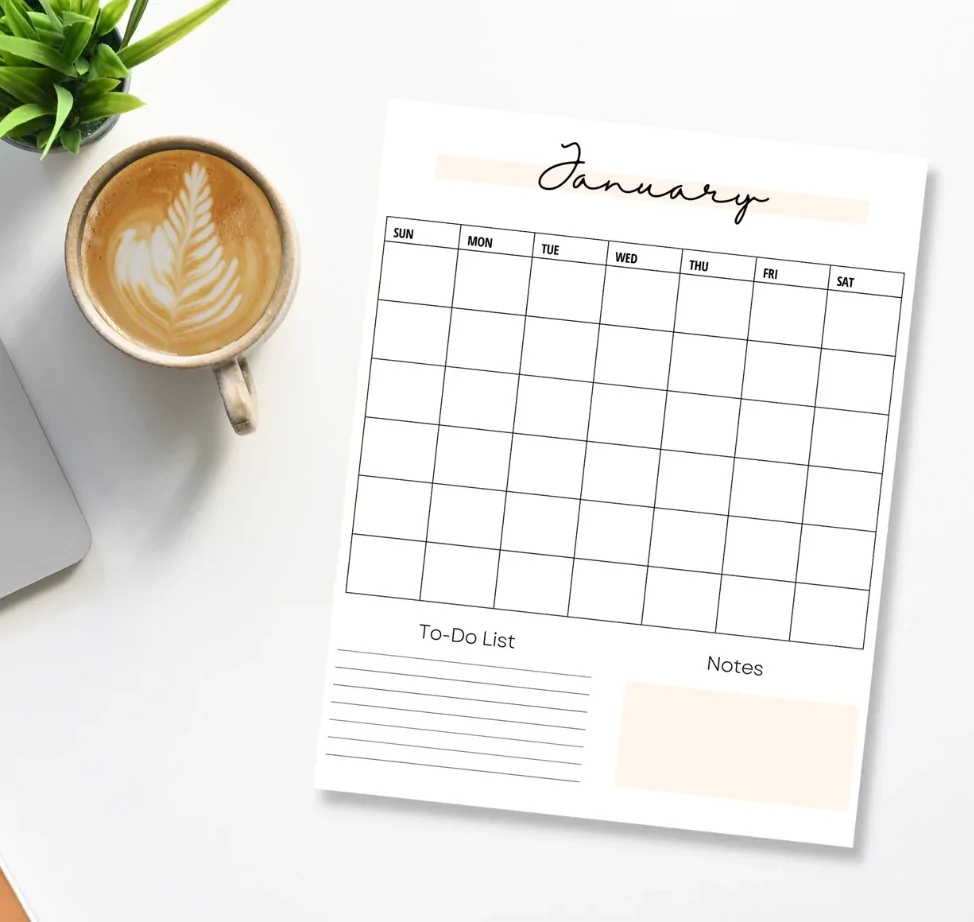
Generous white space improves legibility and allows the eye to rest. Minimalist calendars in 2026 prioritize breathing room over dense information.
Simple Grid Layouts
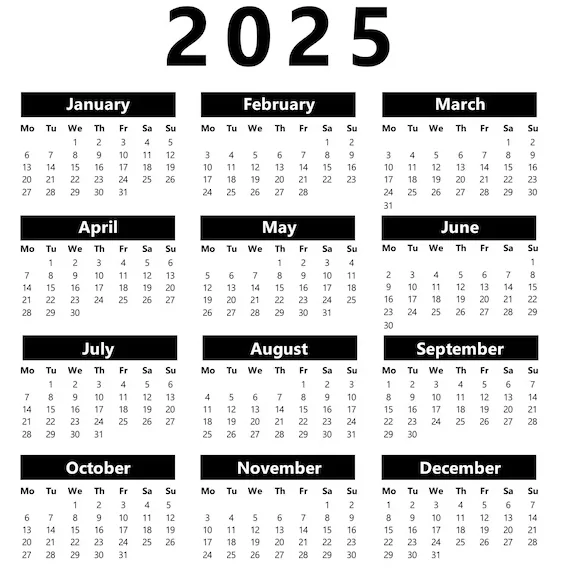
Structured grids with consistent spacing help users scan dates quickly. Minimalist designs avoid decorative borders and unnecessary lines.
Subtle Visual Accents
Instead of illustrations or heavy graphics, designers use small dots, thin lines, or light shading to guide attention without overwhelming the layout.
Minimalist Design Across Different Calendar Types
Wall Calendars
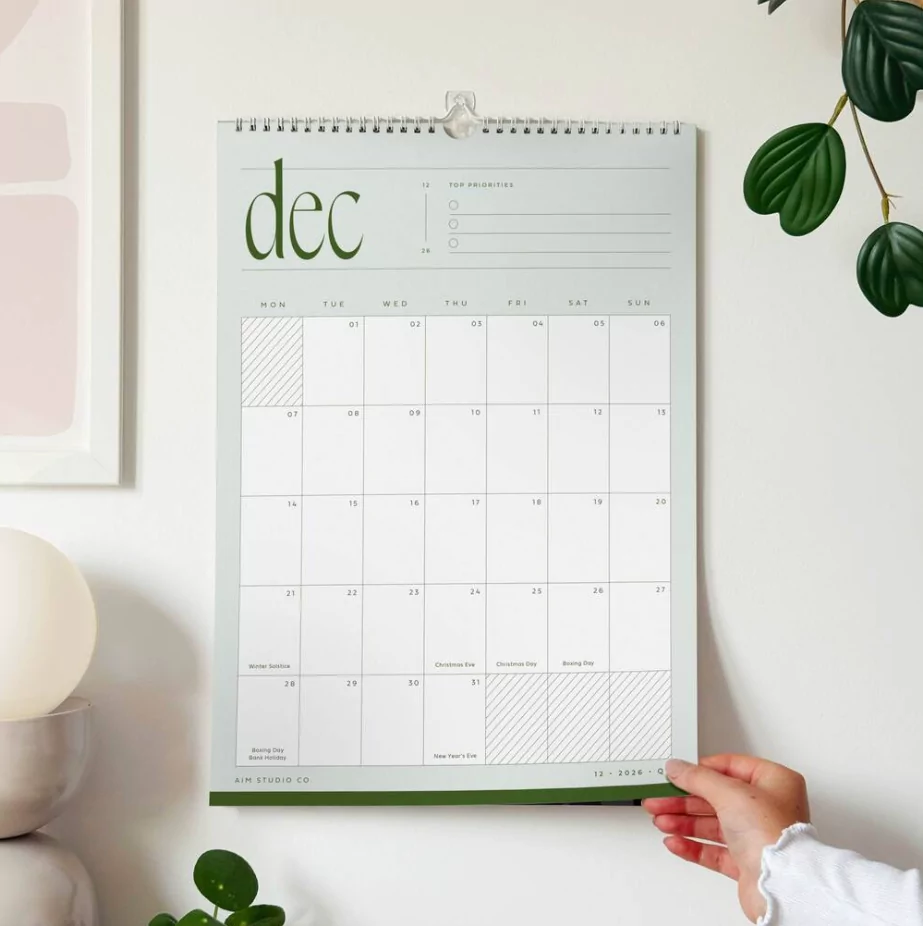
Minimalist wall calendars focus on large, readable dates and balanced layouts that complement modern interiors.
Desk and Stand Calendars
Desk calendars favor compact designs with clear monthly overviews, ideal for small workspaces.
Digital Calendars
Digital minimalist calendars emphasize intuitive navigation, subtle animations, and high contrast for accessibility.
Expert Tips for Choosing a Minimalist Calendar
- Prioritize readability over decoration
- Choose high-quality paper or screen contrast
- Stick to one or two font families
- Avoid unnecessary icons or graphics
- Match the calendar style to your workspace
Minimalist Calendars and Productivity
Minimalist calendar designs reduce cognitive load, allowing users to focus on tasks rather than navigating cluttered layouts. This makes them especially popular among professionals, students, and creatives in 2026.
Printable vs Digital Minimalist Calendars
Printable minimalist calendars offer tactile satisfaction and visual presence, while digital versions provide flexibility, reminders, and synchronization. Many users combine both for optimal planning.
Who Benefits Most from Minimalist Calendar Design?
- Remote workers and professionals
- Design-conscious users
- Students and educators
- Small business owners
- Minimalist lifestyle enthusiasts
Conclusion
Minimalist calendar design trends for 2026 focus on clarity, balance, and intentional simplicity. By removing visual noise and emphasizing essential information, these calendars support better planning and a more focused daily routine.
Whether in print or digital form, minimalist calendars continue to offer a timeless and effective solution for modern scheduling needs.
FAQ Section
Minimalist calendar design focuses on simplicity, readability, and the removal of unnecessary visual elements.
They reduce visual clutter, improve focus, and fit well with modern workspaces and digital lifestyles.
Neutral tones, soft pastels, and monochrome palettes are most commonly used.
Yes. Clean layouts help users focus on tasks and deadlines without distraction.
Absolutely. Minimalist design works effectively for both digital and printable calendars.